

Botanical Properties and Natural Elements for Physical Agility
An educational knowledge base exploring scientific perspectives on plant compounds, nutritional factors, and historical herbology in the context of structural mobility and tissue maintenance.
Educational Content Only
No medical services. No promises of outcomes. This resource provides information for learning purposes and does not replace professional consultation.
Theoretical Concepts of Structural Mobility
Physical agility encompasses a complex interplay of biomechanical systems that enable movement across varied ranges of motion. The musculoskeletal framework relies on coordinated function between connective tissues, skeletal structures, and supporting biological mechanisms.
Contemporary research in biomechanics examines how cellular processes contribute to the maintenance of tissue integrity over time. Factors such as collagen synthesis, proteoglycan distribution, and synovial fluid composition represent areas of ongoing scientific investigation.
Understanding these fundamental concepts requires examination of both molecular biology and macroscopic anatomy. Educational frameworks in this field draw from diverse disciplines including biochemistry, physiology, and structural biology to construct comprehensive models of human movement capacity.
Botanical Extracts and Chemical Compounds
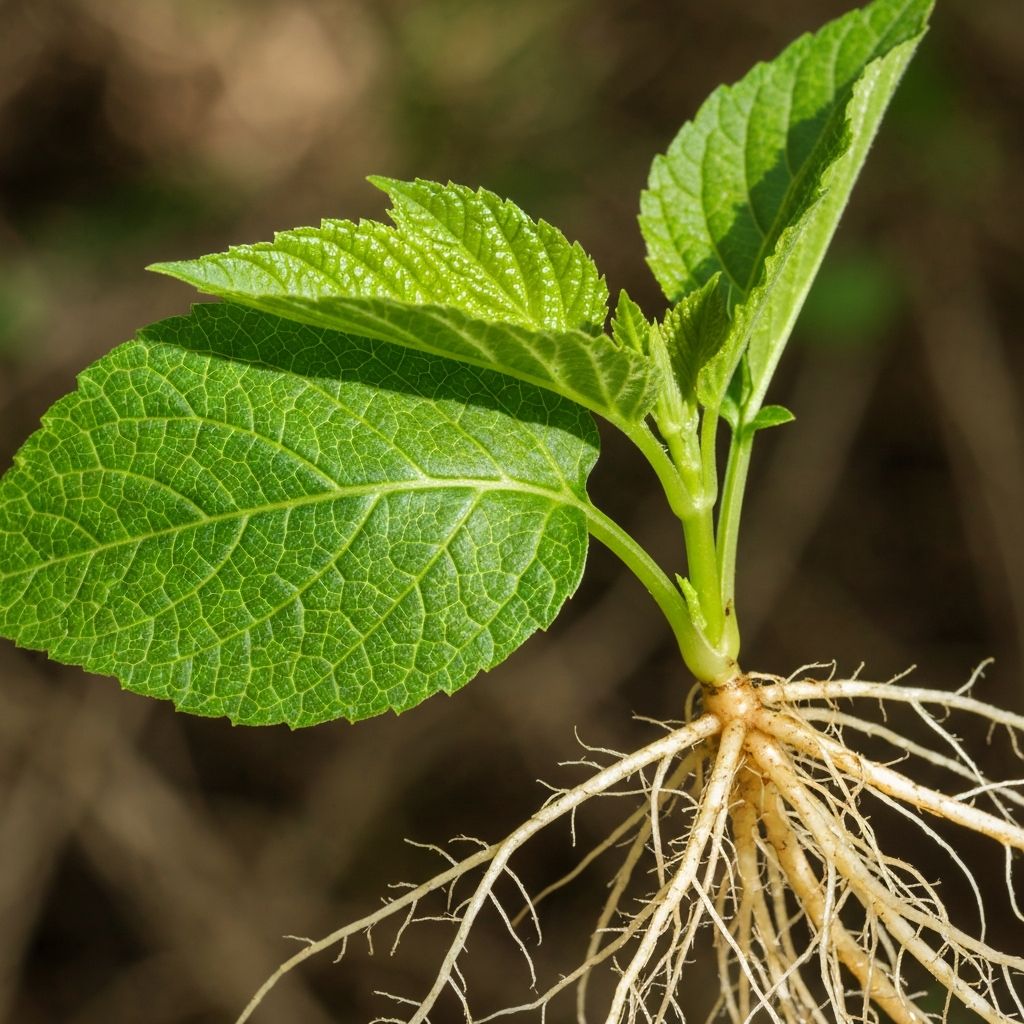
Plant-derived compounds have been subjects of extensive phytochemical analysis. Researchers identify specific molecular structures within botanical materials that interact with biological systems through various pathways.
Curcumin and Turmeric Constituents
Curcuma longa, commonly known as turmeric, contains curcuminoids as primary bioactive components. The molecular structure of curcumin features two aromatic rings connected by a seven-carbon linker. Scientific literature documents its presence in traditional botanical preparations across multiple cultures.
Boswellic Acids from Frankincense
Boswellia serrata produces pentacyclic triterpenic acids characterized by specific stereochemical configurations. These compounds represent one category among many plant secondary metabolites studied in natural product chemistry.
Phytochemical Diversity
Plant kingdoms exhibit remarkable chemical diversity with thousands of identified compounds including flavonoids, terpenes, alkaloids, and phenolic structures. Each botanical species presents unique molecular profiles shaped by evolutionary adaptation and environmental conditions.
Role of Nutrients in Tissue Maintenance

Nutritional biochemistry explores how dietary components participate in metabolic processes relevant to structural tissue function. Various micronutrients serve as cofactors in enzymatic reactions involved in extracellular matrix synthesis.
Vitamin C and Collagen Formation
Ascorbic acid functions as an essential cofactor for prolyl hydroxylase and lysyl hydroxylase enzymes. These enzymatic processes contribute to collagen molecule stabilization through hydroxylation of proline and lysine residues. Nutritional science courses commonly examine these biochemical relationships.
Mineral Components
Elements such as calcium, magnesium, and zinc participate in numerous biological processes. Calcium ions play roles in cellular signaling, while magnesium serves as a cofactor for hundreds of enzymatic reactions. Zinc contributes to protein structure through zinc finger motifs and other coordination complexes.
Sulfur-Containing Compounds
Methylsulfonylmethane and other sulfur-bearing molecules represent areas of nutritional research. Sulfur atoms integrate into amino acids like cysteine and methionine, which in turn contribute to protein architecture through disulfide bond formation.
Historical Evolution of European Herbology

The documentation of plant properties spans centuries of systematic observation and knowledge compilation across European regions. Historical texts reveal evolving frameworks for categorizing botanical materials and their perceived characteristics.
Medieval Monastic Traditions
Monastic communities maintained botanical gardens and created illustrated manuscripts detailing plant identification and preparation methods. These historical documents provide insight into pre-modern understanding of natural materials.
Renaissance Herbals
The development of printing technology enabled wider distribution of botanical knowledge. Notable works from this period systematically catalogued plants with detailed descriptions and woodcut illustrations, establishing foundations for modern botanical taxonomy.
Development of Phytochemistry
The 19th and 20th centuries witnessed transformation from descriptive botany to analytical chemistry of plant constituents. Isolation and structural elucidation of active compounds marked a transition toward molecular understanding of botanical materials.
Interaction of Hydration and Elasticity

Water content significantly influences the mechanical properties of biological tissues. Hydration status affects viscoelastic characteristics of extracellular matrix components through osmotic and volumetric mechanisms.
Proteoglycans and glycosaminoglycans possess high water-binding capacity due to their chemical structure featuring numerous negatively charged groups. This molecular architecture enables tissue hydration patterns that contribute to mechanical resilience under compressive forces.
Research methodologies in this area include rheological measurements, hydration assays, and imaging techniques that visualize water distribution within tissue structures. These approaches inform theoretical models of tissue biomechanics.
Analysis of Plant-Based Support Elements

Turmeric Root
The rhizome of Curcuma longa contains curcuminoids alongside volatile oils and other phytochemicals. Traditional preparation methods involved drying and grinding the root material.
Willow Bark
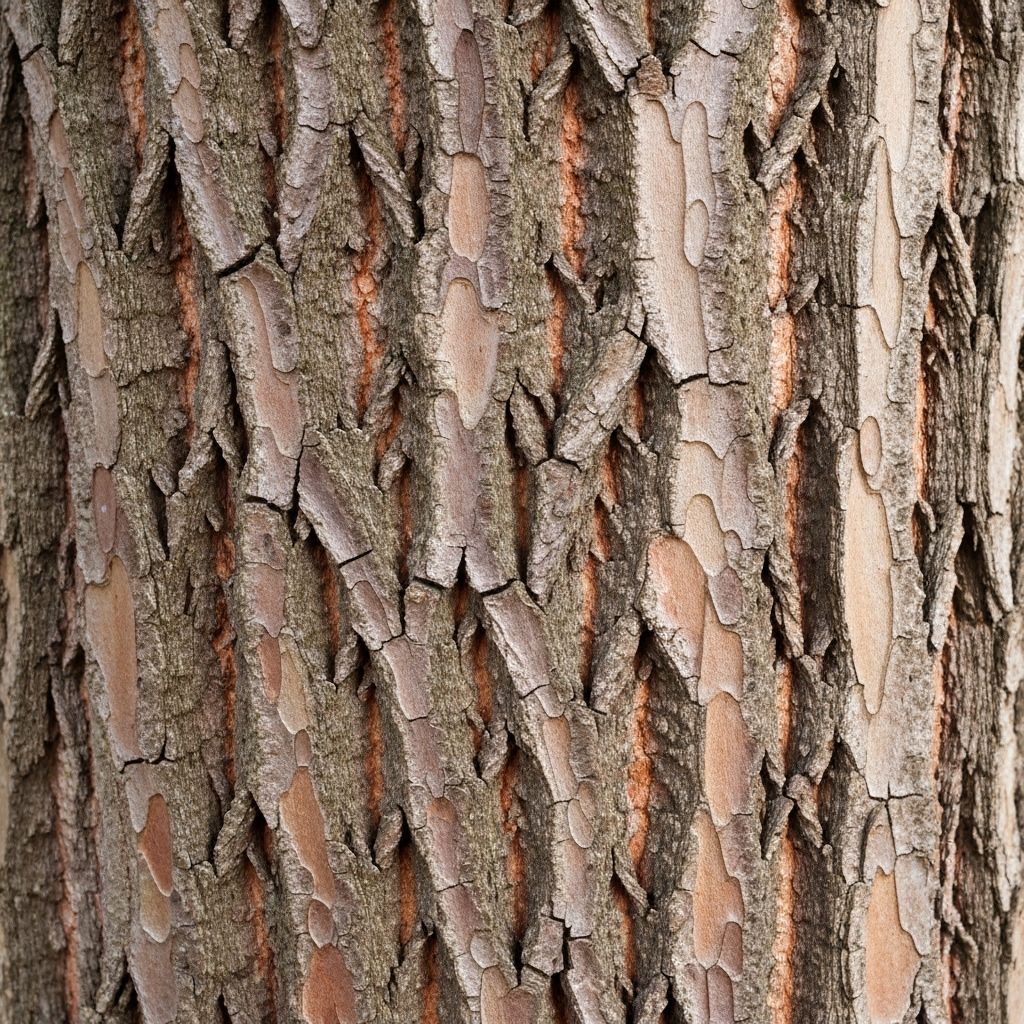
Salix species contain salicin, a glycoside compound. Historical records document willow bark in various traditional preparation systems across European regions.
Flax Seeds
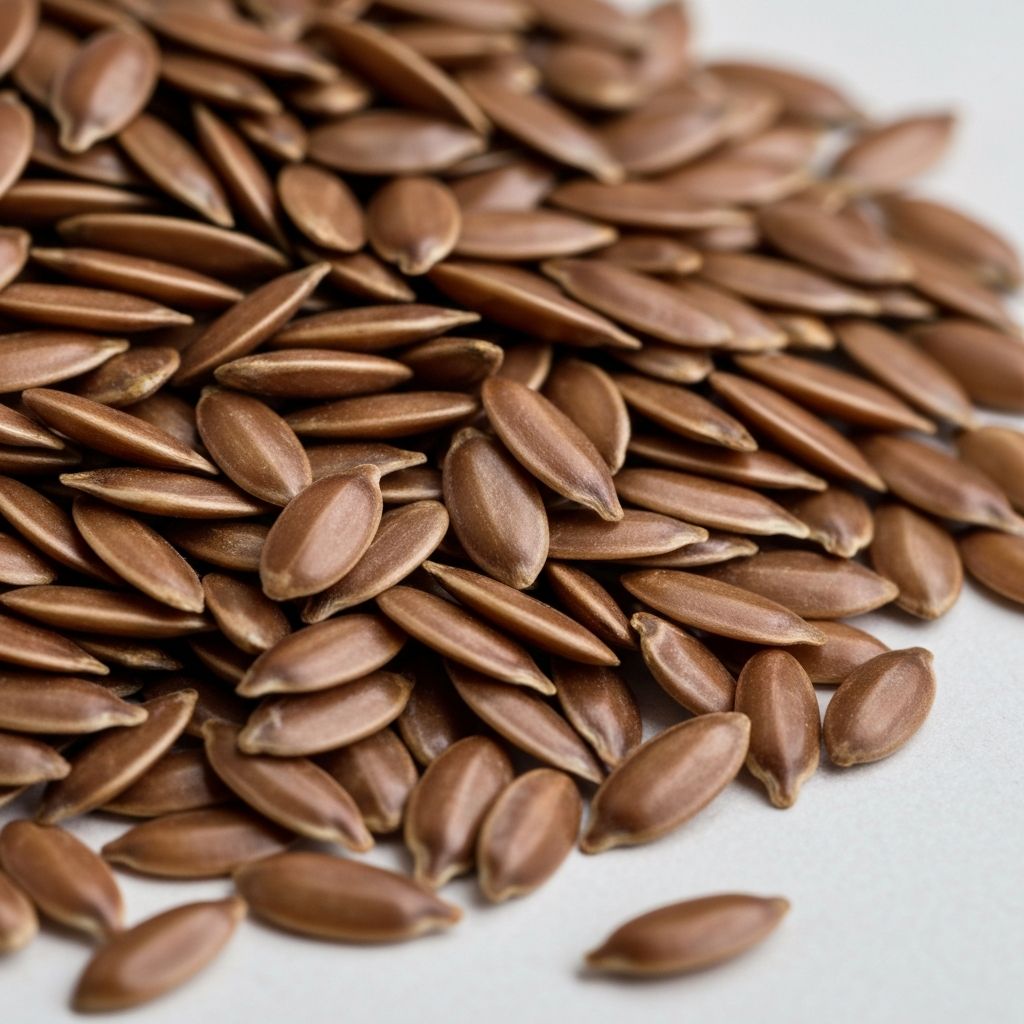
Linum usitatissimum seeds provide alpha-linolenic acid, an omega-3 fatty acid, alongside lignan compounds. Nutritional analysis reveals diverse phytochemical composition.
Factors Influencing Physical Resilience

Multiple variables interact to determine an individual's capacity for physical activity and movement efficiency. These factors span genetic, environmental, behavioral, and developmental domains.
Genetic Variation
Polymorphisms in genes encoding structural proteins, metabolic enzymes, and regulatory factors contribute to individual differences in tissue characteristics. Population genetics research identifies allelic variations associated with diverse phenotypic outcomes.
Physical Activity Patterns
Biomechanical loading patterns influence tissue adaptation through mechanotransduction pathways. Exercise physiology examines how different movement types and intensities relate to structural remodeling processes.
Nutritional Status
Availability of dietary components necessary for biosynthetic processes affects tissue maintenance capacity. Nutritional epidemiology investigates relationships between dietary patterns and various physiological parameters.
Environmental Conditions
Temperature, humidity, altitude, and other environmental factors influence physiological function. Environmental physiology explores adaptive responses to varied conditions.
Modern Educational Standards for Bio-components

Academic programs in nutritional science, phytochemistry, and related fields establish curricula covering plant compound identification, analytical methodologies, and theoretical frameworks for understanding biological interactions.
Laboratory techniques taught in these programs include chromatographic separation methods, spectroscopic analysis, and cell culture systems for investigating molecular mechanisms. Students learn to critically evaluate scientific literature and understand experimental design principles.
Professional organizations establish guidelines for educational content, ensuring comprehensive coverage of relevant topics including chemistry, biology, and research methodology. These standards support development of scientifically literate individuals capable of engaging with complex information.
Global Research Overview
Scientific investigation of botanical compounds and nutritional factors occurs across international research institutions. Studies employ diverse methodological approaches including molecular biology techniques, analytical chemistry, epidemiological surveys, and computational modeling.
Current Research Directions
Contemporary research explores mechanisms of action for plant-derived molecules, interactions between nutritional factors and gene expression, and development of analytical methods for compound identification. Scientists utilize advanced instrumentation including mass spectrometry, nuclear magnetic resonance spectroscopy, and high-resolution microscopy.
Publication Landscape
Peer-reviewed journals in phytochemistry, nutrition, biochemistry, and related disciplines publish findings from investigations worldwide. This literature forms a growing knowledge base accessible through academic databases and library systems.
Interdisciplinary Collaboration
Research in this domain increasingly involves collaboration between chemists, biologists, nutritionists, and other specialists. Such interdisciplinary approaches enable comprehensive examination of complex biological phenomena.
Educational Summary
This educational resource provides an overview of botanical compounds, nutritional factors, and historical knowledge systems related to physical structure and movement capacity. The material presented synthesizes information from chemistry, biology, history, and related academic disciplines.
Key concepts covered include phytochemical diversity in plant materials, biochemical roles of nutrients in tissue metabolism, historical development of botanical knowledge in European contexts, and contemporary research methodologies employed in studying natural compounds.
Understanding these topics requires engagement with scientific literature, familiarity with chemical nomenclature, and appreciation for complexity inherent in biological systems. Educational resources like this serve to introduce concepts and provide context for further exploration.
Limitations and Context
Informational Nature: This content presents educational information about botanical and nutritional topics. It does not provide individualized recommendations or guidance for personal decisions.
Diversity of Approaches: Multiple perspectives exist regarding lifestyle choices, dietary patterns, and wellness practices. This resource does not advocate for specific approaches over others.
No Substitute for Professional Consultation: Information presented here does not replace personalized consultation with qualified professionals in relevant fields.
Scope: Content focuses on educational presentation of scientific concepts and historical knowledge rather than application to individual circumstances.
Frequently Asked Questions
This platform serves to present information about botanical compounds, nutritional factors, and related scientific concepts in an accessible educational format. The goal is knowledge dissemination rather than promotion of specific products or services.
Content encompasses phytochemistry of plant materials, biochemical roles of nutrients, historical evolution of herbology in European contexts, biomechanical concepts related to physical structure, and overview of contemporary research methodologies in these areas.
This resource suits individuals interested in learning about botanical science, nutritional biochemistry, and related topics from an educational perspective. No specialized background is required, though some familiarity with basic science concepts enhances comprehension.
Material presented here serves educational purposes. Readers may use this information to enhance their understanding of scientific concepts, explore topics of interest, or as a starting point for further research in academic literature.
This site focuses on explaining concepts and presenting factual information without promoting products, services, or specific outcomes. Content emphasizes scientific understanding and historical context rather than commercial messaging.
Content draws from published scientific literature, historical botanical texts, and established educational frameworks in chemistry, biology, and related disciplines. The material synthesizes information from multiple academic sources.
Continue Your Exploration
Access additional educational content and detailed overviews of specific botanical and nutritional topics.
Read More About This ProjectContact Information
CzechMotion
Address: Sokolovská 675/9, 186 00 Karlín, Czechia
Phone: +420 224 931 847
Email: [email protected]